


Eye Surgery
Eye revision surgery
TYPE 01
Eye revision surgery
Revision starts with understanding what went wrong in the first surgery.
Drawing on a wide range of revision cases,
we offer the fix that matches the cause.
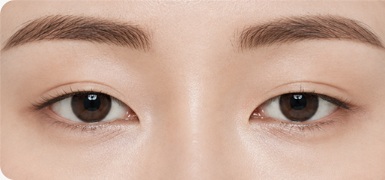
When the crease has loosened
We find why it loosened, then choose among the buried-suture, natural adhesion or incisional method.
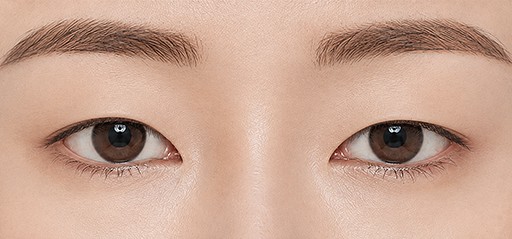
When the crease sits too low
We redesign the crease you want. If a drooping eyelid caused it, we also remove the loose skin.

When the crease sits too high
We release the high fixation, including the original incision line, lower it and fix it firmly again.

When scarring is severe
If there is enough tissue and skin left, we remove the scar
and correct the crease.
When a multiple crease has formed
We release the adhesion where the extra crease formed, and take steps to keep it from returning.

When the two sides do not match
We operate on both sides to the height you want, so they match.
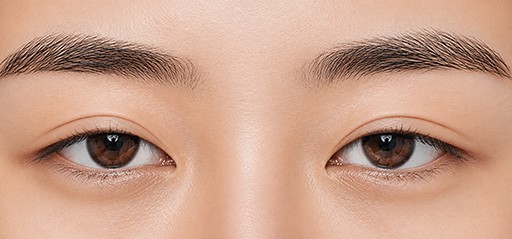
When ptosis was under-corrected
For eyes that still look sleepy, we correct the ptosis more firmly for a clearer eye.

When ptosis was over-corrected
We release the over-corrected eyelid
and bring it back to a natural position.
TYPE 02
Epicanthoplasty revision
Medial epicanthoplasty revision
Over-correction, scarring or too much exposed caruncle (the pink tissue at the inner corner)
can make the face look harsh or older.
We measure how much shows, reposition the skin to suit your eye
and refine the inner corner.

BEFORE

AFTER
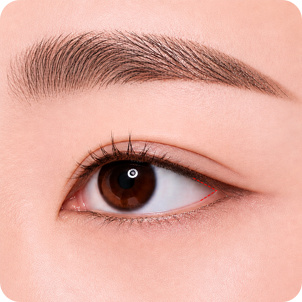
Lateral canthoplasty revision
Revision can help if the pink inner lining (conjunctiva) shows, the eyelid has shifted,
the outer corner has healed into a squared shape, or you simply dislike the shape.

BEFORE
AFTER